Articles
34 articles

Measure first: choosing a bed for a large dog
Compare the sleeping area, washable parts, construction, and where the bed will go.

Labrador Retrievers: coat, routine, and gear
What the short double coat means for brushing, and what to consider when planning everyday activity.

What to check before buying a dog brush
Match the brush to coat length and texture; check comfort, cleaning, and return terms.

Golden Retrievers: feathering, brushing, and daily care
Where tangles tend to form, how to approach brushing, and why routines vary by dog.

Checking the fit of walking gear
Use the maker’s measurements and check for rubbing, movement, and worn hardware.

How three common double coats differ
Compare the Lab’s short coat, the Golden’s feathering, and the German Shepherd’s undercoat.

Choosing a leash for a large dog
Compare length, material, handle, clip, and care for the walks you take.

German Shepherds: coat care and daily structure
A reference for double-coat grooming, predictable routines, and walking-gear fit.

Choosing a car restraint for your dog
Questions about fit, vehicle compatibility, installation, and safety claims.

A pre-trip checklist for car travel with a dog
Plan the restraint, practice before leaving, and pack for breaks and delays.

A Labrador’s first week at home: a calm starting routine
Keep the first few days quiet: build around meals, bathroom breaks, sleep, and a safe place to decompress.

Play ideas for a Labrador Retriever’s everyday routine
Retrieving, sniffing, and short learning games add variety without making every outing a workout.

Brushing a Golden Retriever’s feathering without rushing
A useful order for checking longer hair around the ears, legs, chest, and tail.

After a Golden Retriever swim: rinse, dry, and check
A short after-swim routine helps you notice debris and damp spots before settling in.

German Shepherd shedding: what a double coat needs
Understand the undercoat, plan regular brushing, and why shaving is not a routine shortcut.

Building a daily rhythm for a German Shepherd
An example day balances a sniff walk and short training practice with meals and uninterrupted rest; adjust it for age and health.

Puppy socialization: small, positive introductions
Let a puppy notice new people, places, and sounds at a pace that leaves room to feel safe.

Low-key ways to add sniffing, play, and rest
Try a short sniff walk, a familiar food puzzle, or a few minutes of training; keep the activities your dog chooses to repeat.

A simple routine for loose hair at home
Separate coat care from floor care: brush the dog, then focus cleanup on the surfaces that collect the most hair.

Choosing a storage setup for dog food
Compare capacity, cleaning, seals, and ways to keep the original food details.

How to read a dog food label before comparing bags
Start with the life stage and nutritional adequacy statement, then discuss fit with your vet.

Choosing a crate size and introducing it gradually
A crate should let the dog stand, turn, and lie comfortably, with a positive introduction at their pace.

How to choose a dog gate for your home
Measure the opening and compare mount style, height, access, and install limits.

Reward-based training: a clear place to start
Notice the behavior you want, reward it promptly, and make practice easy enough to succeed.

Preparing a dog for nail trims, one small step at a time
Make paw handling familiar before introducing clippers or a grinder.
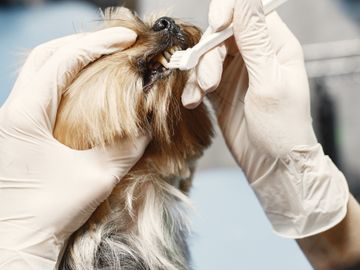
Introducing tooth brushing to a dog
Start with comfort around the muzzle and build toward a few gentle strokes.

A less stressful bath: shampoo, rinse, and dry
Set up the room first and keep the bath focused on a thorough, comfortable rinse.

A monthly body-condition check-in for your dog
Use a consistent observation and a vet conversation instead of judging weight by appearance alone.

A quick paw check after a muddy or rough walk
Look between the toes and around the pads before dirt and small debris travel indoors.

Planning dog walks on hot-weather days
Adjust timing and route to the conditions, and give your dog easy access to shade and water.

What to keep in a dog emergency go-bag
Keep ID and medical records together with food, water, medication, leash, waste bags, and one familiar comfort item.

Planning rest stops for a long car trip with a dog
Map more than one pet-friendly stop, bring water and supplies, and keep timing flexible for bathroom breaks and delays.

Setting up a calm routine when your dog is home alone
A predictable departure and safe resting area can make ordinary absences less disruptive.

A practical entryway setup for life with a large dog
Give everyday walking gear, towels, and cleanup supplies a consistent place near the door.